
Why Ducks?
A Case for Ducks in Fiction

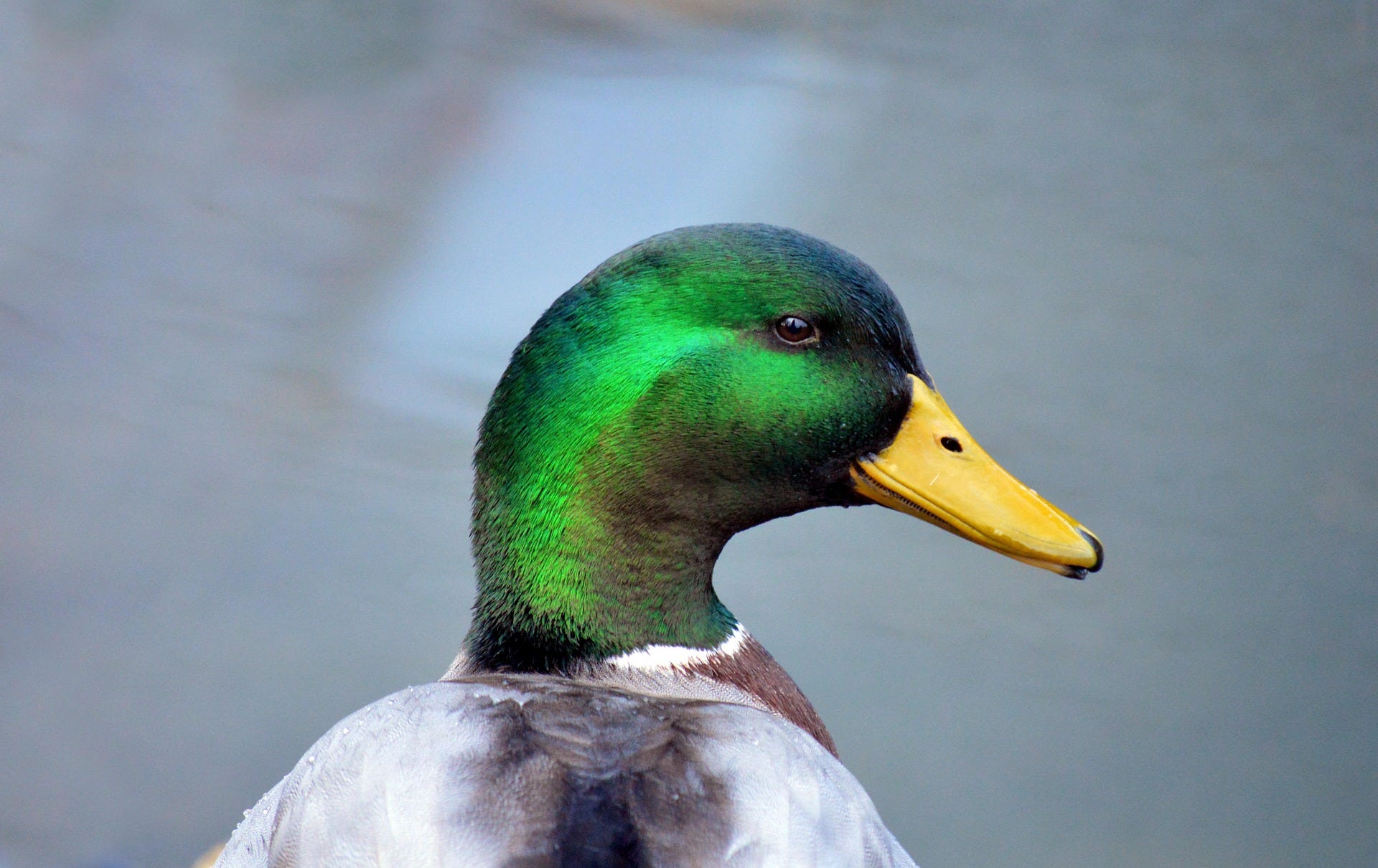
There are ducks in a lot of the stories I write.
One big reason for this is because I’m known as the duck guy in many circles. I often post on social media about ducks. I make big claims about ducks becoming the future of fantasy fiction. I’ve centered this blog on that theme. So it only makes sense I add them to the fiction I write.
I acknowledge, at its core, it’s a bit silly.
But the more I’ve written it and reflected upon it, the more I’ve realized there’s a reason that using ducks in fiction can and does work.
Established Fictional Ducks
There is of course a long history of ducks in comics and cartoons: Howard, Daffy, Donald, Huey, Dewey, Louie, and many more.
These characters are beloved, funny, and fill a variety of roles in the stories they’re a part of.
And in the simplest sense, why shouldn’t I do the same? It works, so why not use more ducks as main characters? These anthropomorphized waterfowl work as well as any human character.
But why is that the case? Surely a human given the same lines and actions would work just as well. And for many of these stories, I have no doubt they would. These ducks are largely anthropomorphized, which is fine.
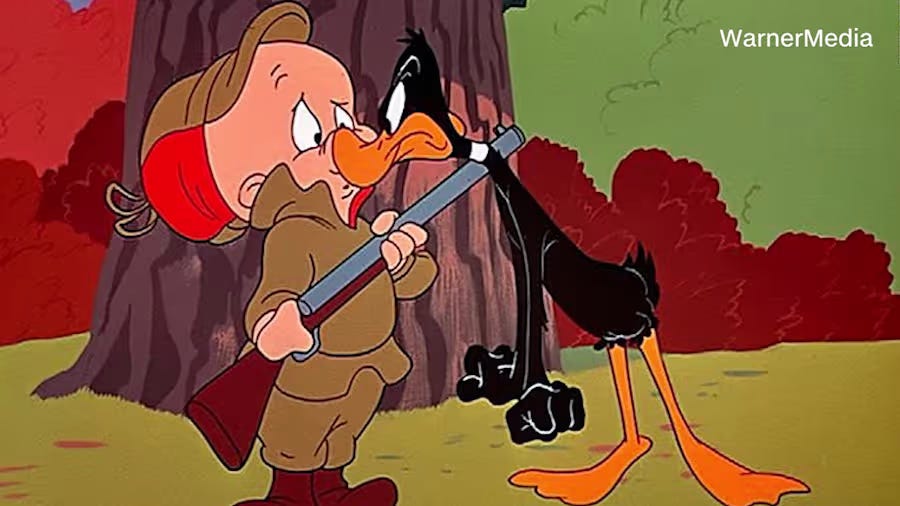
In other stories—such as Elmer Fudd hunting Daffy Duck—the fact that one of the characters is a duck is a core element of the narrative. In self-defense, Daffy talks back to Elmer. He attempts to confuse Elmer. He even tries to convince the hunter that rabbits are better game.
And this all happens because Daffy is a duck.
How I Approach Ducks
I follow a similar approach with the ducks I write. I intentionally avoid anthropomorphizing ducks in many ways. They have wings, but never fingers. They can talk, but have regular bills. They can fly and swim and waddle like any duck you’ve encountered in the wild. They are ducks living duck lives, even when traversing into the human world.
I’ve found this allows for exploring familiar tropes or character types in new ways. Where you may have had a typical gunslinger, now you have a gunslinger duck. A sword-wielding hero? Now it’s a sword-wielding hero duck. A university professor? Now it’s a duck who somehow has to convince his human students to stop asking so many questions about waterfowl mating practices and really dig into the subject matter of the class.
This allows played-out stories to be explored in new ways. What does it mean for a duck to be any of these characters? Do they make the choices we’re used to? Do they do something different? What are their motivations? What are their strengths and limitations?
Often, the differences are minor. But the nuance nonetheless provides plenty of intrigue.
Fantasy Races
This achieves much the same as stories that explore the experiences of common fantasy races, such as elves, dwarves, orcs, goblins, dragons, ogres, etc. Many of these characters are anthropomorphic by their nature, but the nuances of their species’ experiences provide opportunities to explore familiar stories in new ways.
There is a long history of this, especially in fantasy fiction. I believe it’s time to add ducks to the list.
Give Ducks a Chance
No matter your preference on the duck anthropomorphization scale, there’s a decent chance you’ve enjoyed a duck character in the past. You’ve seen it can work. And I will emphasize that my approach to using ducks in fiction is the one I chose for my own work. Any writers who want to use ducks in their stories are more than welcome to write ducks in the way that makes most sense to them.
There’s such a long tradition of it that you can hardly go wrong. Thinking about writing a story with a dwarf or a dragon, but it feels a little bit tired? A little overdone?
Try ducks.
I have a feeling readers will be into it.
Great little read, this. I wait eagerly for Watership Eiderdown.
Now I want to ride a drucken (duck-dragon.) If anyone can get ducks into fiction, it’s you